Showing posts with label medical. Show all posts

Monday, October 25, 2010

Contact Lenses Loaded With Vitamin E May Treat Glaucoma

Contact Lenses Loaded With Vitamin E May Treat Glaucoma

The popular dietary supplement vitamin E, loaded into special medicated contact lenses, can keep glaucoma medicine near the eye -- where it can treat that common disease -- almost 100 times longer than possible with current commercial lenses, scientists report.

Anuj Chauhan, Ph.D., who headed the research team, explained that glaucoma is second only to cataracts as the leading cause of vision loss and blindness in the world. It affects almost 67 million people. Eye drops that relieve the abnormal build-up of pressure inside the eye that occurs in glaucoma, are a mainstay treatment.

"The problem is within about two to five minutes of putting drops in the eye, tears carry the drug away and it doesn't reach the targeted tissue," said Chauhan, who is with the University of Florida in Gainesville. "Much of the medicine gets absorbed into the bloodstream, which carries it throughout the body where it could cause side effects. Only about one to five percent of drugs in eye drops actually reach the cornea of the eye."

Chauhan and colleagues have developed a new extended-release delivery approach incorporating vitamin E into contact lenses. The invisible clusters, or aggregates, of vitamin E molecules form what Chauhan describes as "transport barriers." that slow down the elusion of the glaucoma medication from the lens into the eye. The drug released from the lens into the eye stays in the tears far longer than the 2-5 minutes with eye drops, leading to more effective therapy.

"These vitamin structures are like 'nano-bricks'," Chauhan said. "The drug molecules can't go through the vitamin E. They must go around it. Because the nanobricks are so much bigger than the drug molecules -- we believe about a few hundred times bigger -- the molecules get diverted and must travel a longer path. This increases the duration of the drug release from the lenses."

Read more at: http://www.sciencedaily.com/releases/2010/03/100324121002.htm

Friday, November 27, 2009

Wooden Bone


New Artificial Bone Made of Wood
A new procedure to turn blocks of wood into artificial bones has been developed by Italian scientists, who plan to implant them into large animals, and eventually humans.

Wood-derived bone substitute should allow live bones to heal faster and more securely after a break than currently available metal and ceramic implants.

The researchers chose wood because it closely resemble the physical structure of natural bone, "which is impossible to reproduce with conventional processing technology."

"Our purpose is to convert native wood structures into bioactive, inorganic compounds destined to substitute portions of bone," said Anna Tampieri, a scientist at the Instituto Di Scienza E Techologia Dei Materiali Ceramici in Italy.

To create the bone substitute, the scientists start with a block of wood -- red oak, rattan and sipo work best -- and heat it until all that remains is pure carbon, which is basically charcoal.

The scientists then spray calcium over the carbon, creating calcium carbide. Additional chemical and physical steps convert the calcium carbide into carbonated hydroxyapatite, which can then be implanted and serves as the artificial bone.

The entire process takes about one week and costs about $850 for a single block. One block translates to about one bone implant.

Read more at: http://news.discovery.com/tech/artificial-bone-made-wood.html

Wednesday, November 25, 2009

The Handheld Ultrasound


The Handheld Ultrasound
The stethoscope of the 21st century may have arrived. On Oct. 20, GE unveiled the Vscan, a medical imaging tool as compact as a cell phone and as powerful as a large ultrasound console. Doctors can use it to look inside a patient's body and instantly see fluid around the heart, for example, or a baby in the breech position. In a field where minutes can make the difference between life and death, the Vscan — not yet commercially available — could improve the way medicine is practiced everywhere, from cutting-edge ERs to makeshift village clinics.

See the video at: http://www.youtube.com/watch?v=jdmohNERH1c
Read more at: http://www.nydailynews.com/money/2009/10/21/2009-10-21_oh_baby_new_handheld_ultrasound_gadget_looks_like_ipod_flip_phone_combo.html

Wheelchair with Vision

This smart wheelchair has laser vision
Spletzer, an associate professor of computer science and engineering, recently received a five-year CAREER Award from the National Science Foundation (NSF) to develop a robotic wheelchair that navigates on its own, with no human guidance or remote control, through a crowded city.

Armed with high-fidelity lasers and detailed maps, the “smart” wheelchair will avoid stationery objects like parking meters and light poles as well as “random events” like pedestrians and bicyclists. It will transport users who may not be able to see or walk to their doctor’s appointments, to the pharmacy, to the grocery store.
Helping robots see with lasers

In order to “see” and respond to its environment as it navigates around a city, says Spletzer, a robot must possess two things: sensors that detect and recognize familiar landmarks and a database with maps that show where those landmarks will be.

Spletzer and his students have taken a cue from Google Street View, which allows Internet users to take virtual tours of distant cities, block by block and building by building, by looking at thousands of stored images. These images are of little use to robots equipped with lasers, says Spletzer, because robots do not see what humans see. But the concept is applicable to the robotic wheelchair. Spletzer and his students are fitting the robotic wheelchair with a low cost LIDAR (an acronym for light detection and ranging) laser similar to, but much less expensive than, those that enabled Little Ben to detect other vehicles, highway lane markers and the edge of the pavement. They have made high-fidelity, 3-D laser maps of portions of South Bethlehem and of the Stabler Arena parking lot on Lehigh’s Goodman Campus. The team’s robotic wheelchair, guided by LIDAR but not GPS devices, has traversed a 1-kilometer route and arrived at its destination to within an accuracy of 20 centimeters.

“We have a server vehicle drive around and make a hi-fi 3-D map of the environment,” says Spletzer. “The robotic wheelchair can download this map and navigate the environment, halfway in the real world, halfway in the virtual world.

“The robot identifies landmarks—trees, poles, building faces and corners—in the real world and looks for them in the laser map. Once it finds them, it will be able to accurately estimate its position in the real world. It doesn’t need GPS, because of the accuracy of the server vehicle maps and because of the LIDARs.”

Read more at: http://www.physorg.com/news177062541.html

Wednesday, November 11, 2009

Fingerprint technology beats world's toughest tests


Fingerprint technology beats world's toughest tests
Technology developed by the University of Warwick that can identify partial, distorted, scratched, smudged, or otherwise warped fingerprints in just a few seconds has just scored top marks in the world's two toughest technical fingerprint tests. The technology is also being rapidly taken up by the UK building trade who are delighted to have fingerprint technology which can cope with the often worn and ravaged builders' thumbprints.
Many other fingerprint techniques have tried to identify a few key features on a finger print and laboriously match them against a database of templates.

The University of Warwick researchers consider the entire detailed pattern of each print and transform the topological pattern into a standard co-ordinate system. This allows the researchers to "unwarp" any finger print that has been distorted by smudging, uneven pressure, or other distortion and create a clear digital representation of the fingerprint that can then be mapped on to an "image space" of all other finger prints held on a database. Instead of laboriously comparing a print against each entry in a database any new print scanned by the system is unwarped and over laid onto a virtual "image space" that includes all the fingerprints available to the database. It does not matter whether it's a thousand or a million fingerprints in the database the result comes back in seconds.

The technology has impressed more than just the construction industry. In the past week the technology has been examined by two of the world's most respected technical fingerprint benchmarking tests. Tests by the National Physical Laboratory ranked Warwick Warp's fingerprint Technology best overall for accuracy. A test of 36 finger print technologies by the US's National Institute of Standards and Technology (NIST) ranked Warwick 3rd overall"

Read more at: http://www.sciencedaily.com/releases/2009/10/091026093731.htm

Wednesday, November 4, 2009

Bed that turns into wheelchair


Panasonic develops bed that turns into wheelchair
The invention is designed to help people with limited mobility maintain an independent lifestyle, the firm said in a statement. "Now, the user can join the family meal by converting the bed into a wheelchair and moving to the dining table without the need of assistance from other people," it said. Panasonic will exhibit the Robotic Bed at a home care and rehabilitation exhibition in Tokyo from September 29 to October 1, it said.
"It is still a concept model and we will not be selling it soon," said Panasonic spokeswoman Yuka Arii. "We plan to bring it to markets in or after 2015. But we don't know the price yet." Japan has one of the world's oldest populations and faces a constant shortage of care workers.
Read more at: http://www.japancorp.net/Article.Asp?Art_ID=22017

Monday, October 5, 2009

Monkeys cured of colour blindness- next target humans


Scientists cure colour blindness in monkeys - humans next?
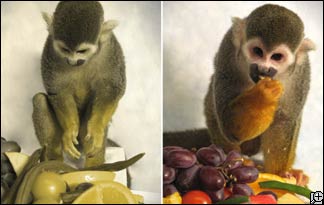
Researchers have delivered promising results by successfully treating two squirrel monkeys with defective colour perception using a gene therapy that could also safely eradicate colour blindness in humans. Millions of people around the world, including 3.5 million Americans, 13 million people in India and 16 million in China, are affected by colour blindness. It is a congenital problem, largely experienced by men, that renders its sufferers incapable of discerning mainly red and green hues: seemingly trivial but, in reality, a necessity for everyday practicalities such as recognizing traffic lights.

According to Jay Neitz, professor of ophthalmology at the University of Washington, “Nothing happened for the first 20 weeks…but we knew right away when it began to work. It was as if they woke up and saw these new colours. The treated animals unquestionably responded to colours that had (previously) been invisible to them.” It has taken more than 18 months of testing the monkeys' ability to discern 16 hues, with some varying as much as 11-fold in intensity. The monkeys were able to trace colour patterns on a computer touch screen and, when they chose correctly, they were rewarded with grape juice.

Read more at: http://www.gizmag.com/scientists-cure-color-blindness-in-monkeys/12881/?utm_source=Gizmag+Subscribers&utm_campaign=2f43e924c1-UA-2235360-4&utm_medium=email

Braille Label maker developed by students


Students design portable Braille label maker
Karina Pikhart ’09 displays the braille labelmaker she and her teammates designed, starting last year as a project in the Product Engineering Processes class (2.009). Photo - Patrick Gillooly;

One everyday problem for people who are blind or have very limited sight is distinguishing things that are completely identical to the sense of touch, such as different CDs and DVDs, or canned goods that are all the same size and shape. To cope with that difficulty, many people make Braille labels to attach to these items.

But the existing devices for doing this are either expensive and heavy — one costs about $650 and has limited portability — or light and inexpensive but very difficult for a blind person to operate, and limited in the number of characters they can imprint.

A team of MIT students in last fall's Product Engineering Processes (2.009) class searched for a better way. They came up with a prototype device that is small and easily portable, can produce the entire panoply of possible Braille characters (including commonly used two-character contractions), and can be relatively easily loaded and operated by touch. Although it is still under development, they hope the device, which they have named the 6dot Braille Labeler, can ultimately be produced for sale at around $200.

Some of the students continued to refine the product after the class ended, producing an improved version that won a $7,500 prize in the spring IDEAS competition (a joint project of the MIT Public Service Centre and the Edgerton Centre that recognizes innovations that benefit communities worldwide). Eight students from the mechanical engineering department, some who graduated in June and others who are still enrolled, joined by two others, are in the process of forming a company to continue development of the labeller. Over the summer they conducted field tests around the country with 25 potential users of the product, giving each about a half-hour to work with the device.

"Blind people really wanted to see this product on the market," says Karina Pikhart '09, who is CEO of the new company. "We worked really closely with blind people" in developing it, she says, because "you really can't develop a product without being in close touch with the people you're developing it for. They gave us a lot of good feedback." One of the comments they received was that the clear quality of the Braille produced by the device "felt like what really neat handwriting must look like," she says.
Read more at: http://web.mit.edu/press/2009/braille-0821.html

Monday, September 21, 2009

Needle Free Injections


PATEV GmbH & Co KG Developed the PYROFAST: Needle-Free Injection
PYROFAST is an innovative needle-free injection system with novel pyrotechnical gas propulsion that provides accurate and comfortable drug delivery through the skin for intra-dermal, subcutaneous, and intra-muscular injections of liquid and solid (lyophilized) drugs. The needle-free injection occurs within 40 msec; a very fine, high-pressure jet stream of liquid medication painlessly penetrates the skin, depositing medication in the tissue beneath. The skin orifice caused by the jet stream is 4 times smaller than the orifice caused by a conventional needle injection. Therefore, needle-free injection reduces skin trauma and pain and leads to better patient compliance by eliminating patient's needle-phobia. PYROFAST allows patients to self-administer their injectable medication easily.


Benefits Summary: o painless o safe o user-friendly o fast absorption o eliminates needlesticks -- no sharps to dispose of o eliminates bleeding at the injection site
Application and Potential Advantage: Vaccines, epoetin, growth hormone, sex hormones, insulin, triptans, HIV medication, heparins, interferones, hyaluronic acid, analgesics, local anesthetics, etc.
Development Summary: Prototype devices have been developed and tested.

YROFAST has been already tested and is in the prototype phase. It consists of a reusable applicator made from metal or plastic, featuring a small battery that activates the gas generator and a trigger button, plus a disposable medication unit – pre-filled single-use and a single-use unit that takes dosage from an external source.
The battery provides thousands of injections per charge.

PYROFAST’s gas generator is inspired from technologies used to activate car airbags. There is a chemical substance used by the gas generator that starts to generate gas until it reaches a reliable pressure level which causes a plunger in the ampule to push the liquid through the orifice of the noozzle.

Read more at: http://www.yet2.com/app/list/techpak?id=53072&sid=20&abc=0&page=tpprint

Portable hugs


Portable hugs: Cloth provides mechanical hug to autistic children

New Technology and New Clothing for People with Autism: Children with autism and ADHD may soon get anxiety relief from a novel "deep-pressure" vest developed by Brian Mullen at the University of Massachusetts Amherst. The vest, which can also be used for adults with mental illness, delivers a "portable hug" called deep pressure touch stimulation

People with developmental disorders and mental illness are often overwhelmed in everyday environments such as school and the workplace, and solutions available to families and mental health professionals are limited. This is an alternative therapy that can safely and discreetly provide the treatment they need to function in mainstream society.“

Mullen's vest looks pretty much like any down vest you'd want to buy, but it provides a sort of mechanical hug that calms those who are experiencing sensory overload.

Read more at: http://www.naturalnews.com/023585.html

Sunday, September 13, 2009

Protective Clothing to block flu, colds


Protective Clothing:

Would you like a coat that can snatch viruses out of the air before they can give you a cold? Scientists and engineers and a clever design student at Cornell University have come up with clothes that do all of that and more.

The garments are unique in that they are coated with microscopic nanoparticles designed to capture viruses and bacteria, but you wouldn't know that if you just looked at them. They look like glitzy outfits that expand the realm of "functional clothing."

"Initially we were just doing this for fun," said chemical engineer Juan Hinestroza, who specializes in fiber science. But as soon as a couple of outfits designed by Olivia Ong hit the runway during a fashion show at Cornell, it became a lot more than just fun. Inspired by Smog: "There's a lot of pollution and smog, and I thought it would be interesting if we could use technology and clothing to prevent it," she said. Out of that came what Hinestroza calls a "personal air purification system," The trick, he said, is to use nanoparticles that are about the same size as the viruses and bacteria he wants to capture.

The particles he uses are a mere five to 20 nanometers in size. A nanometer is one-billionth of a meter. They cling to the surface of the cotton fabric because the particles and the fabric have opposite electrostatic charges. The particles are metals that can recognize specific viruses or bacteria, and thus trap them. Silver, for example, is a natural antibacterial agent.

Now, Hinestroza is working on nanoparticles that can decompose gases, like ozone, thus truly reducing the smog. And he’s even produced colors without the use of dyes, by creating nanoparticles that are just the right size to reflect the desired color.

Read more at: http://twenty1f.com/clothing-to-block-flu-colds/

Wednesday, September 9, 2009

An intelligent system to replace caregiver?

An intelligent system helps old people avoid forgetting things
"The system does not modify the life of the users, but does positively modify that of the people who look after them", indicated Ros, who recalled that elderly people or those with special needs often reject the aid of others and demand more independence. The new system may help to achieve this objective.

A team of researchers from the University of Granada (UGR) has created a system with Artificial Intelligence techniques which notifies elderly people or people with special needs of the forgetting of certain everyday tasks. This system uses sensors distributed in the environment in order to detect their actions and mobile devices which remind them, for example, to take their keys before they leave home.

An elderly lady is about to go to bed. She goes into her room, sits down on the bed, takes off her slippers and turns off the light. Suddenly, before getting into bed, a small alarm goes off and a mobile device reminds her that she has not taken her tablets.

This is how the new intelligent system developed by researchers from the Department of Computer Science and Artificial Intelligence of the UGR works. María Ros Izquierdo is from the Higher Technical School of Computer Engineering of the UGR and the co-author of a study which is published this month in the Expert Systems with Applications magazine. "It is a prototype which, in a non-intrusive manner, facilitates the control of the activity of people with special needs and increases their independence", she explained to SINC.

The system recognizes the everyday actions of the users by means of RFID (Radio Frequency Identification) labels. These labels are discreetly placed on the objects that the individuals touch most often, in such a way that, when they do so, a signal is sent to a computer or mobile device situated in the house itself or at an assistance centre some distance away.

The activities of the people are assessed with Artificial Intelligence techniques (data mining and formal grammar) in order to compile a list of actions such as remembering to take the keys or the mobile phone before leaving home.

An intelligent system to replace caregiver?

An intelligent system helps old people avoid forgetting things
"The system does not modify the life of the users, but does positively modify that of the people who look after them", indicated Ros, who recalled that elderly people or those with special needs often reject the aid of others and demand more independence. The new system may help to achieve this objective.

A team of researchers from the University of Granada (UGR) has created a system with Artificial Intelligence techniques which notifies elderly people or people with special needs of the forgetting of certain everyday tasks. This system uses sensors distributed in the environment in order to detect their actions and mobile devices which remind them, for example, to take their keys before they leave home.

An elderly lady is about to go to bed. She goes into her room, sits down on the bed, takes off her slippers and turns off the light. Suddenly, before getting into bed, a small alarm goes off and a mobile device reminds her that she has not taken her tablets.

This is how the new intelligent system developed by researchers from the Department of Computer Science and Artificial Intelligence of the UGR works. María Ros Izquierdo is from the Higher Technical School of Computer Engineering of the UGR and the co-author of a study which is published this month in the Expert Systems with Applications magazine. "It is a prototype which, in a non-intrusive manner, facilitates the control of the activity of people with special needs and increases their independence", she explained to SINC.

The system recognizes the everyday actions of the users by means of RFID (Radio Frequency Identification) labels. These labels are discreetly placed on the objects that the individuals touch most often, in such a way that, when they do so, a signal is sent to a computer or mobile device situated in the house itself or at an assistance centre some distance away.

The activities of the people are assessed with Artificial Intelligence techniques (data mining and formal grammar) in order to compile a list of actions such as remembering to take the keys or the mobile phone before leaving home.

Thursday, September 3, 2009

Antifreeze protein inspired by fleas to help humans

A new antifreeze protein discovered in tiny snow fleas by Queen’s University researchers may lengthen the shelf life of human organs for transplantation.

Drs. Laurie Graham and Peter Davies, from the Department of Biochemistry, found that the potent protein produced by the fleas to protect themselves against freezing is capable of inhibiting ice growth by about six Celsius degrees. This would allow organs to be stored at lower temperatures, expanding the time allowed between removal and transplant.

The results of the Queen’s study, funded by the Canadian Institutes for Health Research (CIHR), are published today in the international journal Science.

“Transplant organs must now be kept at the freezing point or slightly warmer,” says Dr. Graham. “If we can drop the temperature at which the organ is safely stored, there will be a longer preservation period.”

The hyperactive antifreeze protein produced by snow fleas is different from two other insect proteins discovered earlier at Queen’s, the researchers say.

“Unlike the antifreeze proteins in beetles and moths, AFPs in snow fleas break down and lose their structure at higher temperatures,” explains Dr Davies, Canada Research Chair in Protein Engineering. “This means that if used to store organs for transplants, they will be cleared from a person’s system very quickly, reducing the possibility of harmful antibodies forming.”

Also Scientists in Illinois and Pennsylvania are reporting development of a way to make the antifreeze protein that enables billions of Canadian snow fleas to survive frigid winter temperatures.

Read more at: http://www.physorg.com/news135863044.html
Also Read: http://www.innovations-report.com/html/reports/life_sciences/report-50696.html

Monday, August 24, 2009

Clothes Bleach- your news medicine

Whiter Laundry And A Surprising New Treatment For Kids' Eczema

Chronic, severe eczema can mar a childhood. The skin disorder starts with red, itchy, inflamed skin that often becomes crusty and raw from scratching. The itching is so bad kids may break the skin from scratching and get chronic skin infections that are difficult to treat, especially from methicillin-resistant Staphylococcus aureus (MRSA).

Researchers from the Northwestern University Feinberg School of Medicine have discovered powerful relief in the form of diluted beach baths. It's a cheap, simple and safe treatment that drastically improves the rash as well as reduces flare-ups of eczema, which affects 17 percent of school-age children.

The study found giving pediatric patients with moderate or severe eczema (atopic dermatitis) diluted bleach baths decreased signs of infection and improved the severity and extent of the eczema on their bodies. That translates into less scratching, fewer infections and a higher quality of life for these children.

The typical treatment of oral and topical antibiotics increases the risk of bacterial resistance, something doctors try to avoid, especially in children. Bleach kills the bacteria but doesn't have the same risk of creating bacterial resistance.

Patients on the bleach baths had a reduction in eczema severity that was five times greater than those treated with placebos over one to three months, said Amy S. Paller, M.D., the Walter J. Hamlin Professor and chair of dermatology, and professor of pediatrics, at the Feinberg School.

Read the full article at: http://www.sciencedaily.com/releases/2009/04/090427010810.htm

Sunday, August 2, 2009

Feeling sick? Diagnose with personal Handheld Diagnostic Laboratory

New invention could revolutionize how diseases are diagnosed
(PhysOrg.com) -- An award-winning invention by Stanford doctoral students Richard Gaster and Drew Hall may change who diagnoses diseases ranging from flu to the Human Immunodeficiency Virus. The invention, called the NanoLab, is a miniature, portable bioassay that can identify several disease proteins simultaneously without doctors, technicians or special lab equipment. With this technology, the inventors hope that individuals can literally take health care into their own hands.

“We built a technology that can be dispensed anywhere,’’ said Gaster, an M.D. and Ph.D. candidate in bioengineering. “It’s affordable, easy to use, and doesn’t require a laboratory to wash anything; it’s all self contained.”

Hall and Gaster entered a preliminary version of the NanoLab, originally coined “Lab-on-a-Stick,” in the National Collegiate Inventors and Innovators Alliance Biomedical Engineering Idea competition as a tool to use in airports to reduce the spread of pandemics. They took first place, and received a $10,000 prize and a large trophy to display in the Stanford Department of Bioengineering. Further innovations on the NanoLab won first prize in the Institute of Electrical and Electronics Engineers (IEEE) international Change the World Competition as a diagnostic tool for developing countries that are short on doctors and equipment. Gaster and Hall received certificates, another $10,000, and planets named after them at a ceremony in Los Angeles on June 25.

How it works
The NanoLab, which is the size of a small paperback book, consists of an electronic circuit board and a tiny well, just big enough to hold a few drops of blood from a pipette. The first step is to add a droplet of a sample such as blood, saliva or urine into the well. The tester then adds magnetic tags to label the viral proteins, making them detectable by nanosensors. Each tiny magnetic sensor is similar to the read head in a computer hard drive that detects ones and zeros, Gaster said. The NanoLab uses the same technology to sense biological data. The final ingredient is a protein solution containing disease antibodies.

The tester hits start and, 10 to 15 minutes later, tiny green, orange and red light bulbs illuminate, indicating which disease proteins were detected - and at what level.
The availability of antibodies, the proteins that our immune system uses to identify and fight viruses, is the only limit to the diagnostic tool.

Read more at: http://news.stanford.edu/news/2009/july22/nanolab-diagnostic-tool-072309.html

Sunday, July 19, 2009

Credit card sized inhaler


An inhaler as thin as a credit card

A 22-year-old student has invented an asthma inhaler which is small enough to fit into a wallet or purse.
Mild asthma sufferer Adam Bates, from Witney, Oxfordshire, created the 6mm- thick Thinhaler as an alternative to the inhalers most sufferers carry. "I wanted the inhaler to fit in with the lifestyle of someone who has asthma," said the design student. The inhaler is the same shape as a credit card and contains between 50 and 100 doses of dry powder medication. The final year student at Brunel University said: "A friend of mine told me how when she went to the pub or to clubs she didn't want to take her inhaler. "She always had a credit card with her, though, so I thought if I built an inhaler as small as that she could fit it in her pocket or purse."

Bates says the Thinhaler will not be any more expensive than those already on the market, and could cost as little as £2-3. It uses dry-powder medication, which is used by some inhalers currently on the market, and lasts for 50 to 100 doses. Most inhalers on the market can be used for 100 to 200 doses but Bates says he has had feedback that the smaller doses of the Thinhaler are outweighed by its other benefits. The Thinhaler concept won a prestigious D&AD Yellow Pencil Student Award last year.

About 5.1 million people in the UK have asthma, which equates to about one in 13 adults. There are four types of commonly-used inhaler at present: the metered dose device, turbohaler, spacer, and accuhaler.

Thursday, July 9, 2009

Medical emergency? Your bracelet will provide info to mmedics

MEDICAL ID: Wear it as jewellery- necessary in case of emergency!
Universal Medical ID UK was established to serve medical communities and people around the world by offering quality medical IDs which allow healthcare professionals to give prompt, precise diagnosis and treatment during an emergency. A medical ID provides information which could save your life in an emergency. With medical conditions, drug and food allergies, prescribed medicines and emergency contacts engraved onto the surface, a medical ID bracelet or necklace guides paramedics and doctors in giving you appropriate, timely diagnosis and treatment when you cannot speak for yourself.

Why are medical IDs critical?
• Medical IDs effectively communicate a person's needs during an emergency and can eliminate the guess work in treating a person who cannot communicate.
• If a person cannot speak for themselves, a brief description of medical facts engraved on a medical ID can ensure appropriate and timely care, eliminate trips to the hospital, reduce unnecessary hospital admissions and prevent minor emergencies from escalating.
• Medical IDs empower those living with chronic conditions or allergies and those taking a number of different medications to take control of their health.
• Medical IDs can reduce medical errors and reduce medical costs.
• A medical ID serves the same purpose as an SOS talisman, bracelet or necklace.
Who should wear a medical ID?
Medical identifications can be an unexpected benefit in an emergency. Anyone living with chronic or rare medical conditions; people with allergies such as food, drug or insect; and those taking multiple medicines or blood thinners benefit from wearing a medical ID.
Below is a list of some of the conditions and circumstances that warrant wearing a medical ID:
• Diabetes
• Cardiac problems and implants (angina, atrial fibrillation, pacemakers)
• Treatment with anticoagulants (warfarin)
• Drug allergies
• Food allergies (such as peanut)
• Insect allergies (such as bee stings)
• Alzheimer's disease, memory impairments
• Hypertension
• Stroke risk
• Pulmonary conditions (asthma, COPD)
• Kidney failure
• Emphysema, breathing disorders
• Anaemia, blood disorders • Epilepsy, seizure disorders
• Hearing, visual or mental impairments
• Children with special needs (Autism)
• Tourette Syndrome
• Surgery, transplant and cancer patients
• Clinical trial participation
• People taking multiple medicines
• Rare disease/Blood Type
• Sickle Cell Anaemia
• Caregivers
• Gastric Bypass Surgery

Read more about this at: http://www.universalmedicalid.co.uk/uk/frequent.php

Monday, June 15, 2009

Innovative contact lenses look to dispense drugs

Blue Color Contact Lens {{es|Lentes de contact...Image via Wikipedia

Innovative contact lenses look to dispense drugs
Eye-drops may be a simple way of medicating the eye, but patients don't always get the right dose at the right time. Eyenovations has developed contact lenses that can deliver drugs to the eye in measured doses for a month or longer. The start-up company's initial focus is developing a lens to help glaucoma patients. However, it believes the technology can be used to help other eye conditions and deliver antibiotics following surgery.
Glaucoma affects about 2.5 million Americans each year and the numbers are growing. Treatment involves administering eye-drops up to eight times a day but, because patients often have few symptoms, especially in the early stages, many give up on their medication regime. A self-medicating lens could greatly help these people as well as the elderly, disabled, inhabitants of remote areas and others who find it difficult to stick with a regimented schedule

The team from Cambridge, Massachusetts has developed the drug-dispensing technology using a hydro-gel lens with a polymer film inside, which contains the medication.

The lens gradually releases the medication at a rate determined by the properties of both the lens and polymer film. Future versions may allow the medication to be stored in the hydro-gel material of the lens. This ensures patients with eye conditions requiring drops, especially those who struggle to follow a medication schedule, receive the right amount of medication at the right time.
Read full article: http://www.gizmag.com/innovative-contact-lenses-look-to-dispense-drugs/11792/


Reblog this post [with Zemanta]

Tuesday, June 9, 2009

SEE THROUGH FISH- to help study cancer

Scientists Create See-Through Fish, Watch Cancer Grow:

A newly bred fish bares all in the lab, revealing brain, heart and other internal organs in the name of research.
Scientists are breeding zebrafish with see-through bodies in order to make studying disease processes easier, including the spread of cancer.
The transparent fish, described in the Feb. 7 issue of the journal Cell Stem Cell, are allowing researchers at Children's Hospital Boston to directly view fish's internal organs and observe processes such as tumor growth in real-time in living organisms.
Scientists previously studied disease in the embryos of zebrafish, which are naturally transparent. But their clear bodies turn opaque when they grow into adults. The newly created zebrafish stays transparent throughout its lifetime.

Traditionally, researchers have relied on information collected after the diseased animal died to infer anything about human ailments. But for rapidly changing processes such as cancer, this snapshot method is bound to miss something. "It's like taking a photograph when you need a video," said White, also an instructor of medicine at the Dana-Farber Cancer Institute in Boston.
White created the transparent fish, which he nicknamed Casper, by mating two existing zebrafish breeds, one that lacked a reflective skin pigment and the other without black pigment. The offspring had only yellow skin pigment, essentially appearing clear.
In one experiment, White and his colleagues inserted a fluorescent melanoma tumor into the abdominal cavity of the transparent fish. By observing the fish under a microscope, they found that the cancer cells started spreading within five days. White could actually see individual cells spreading.
"The process by which a tumor goes from being localized to widespread and ultimately fatal is the most vexing problem that oncologists face," White said. "We don't know why cancer cells decide to move away from their primary site to other parts in the body."
The spreading melanoma cells appeared to flock toward the skin after leaving the abdominal cavity. "This told us that when tumor cells spread to other parts in the body, they don't do it randomly," White said. "They know where to go."

Read more at: http://cosmiclog.msnbc.msn.com/archive/2008/02/06/644161.aspx